Bernard Herrmann (born Max Herman) was an American composer and conductor regarded as one of the most original and influential figures in the history of film music. Born in New York City to a family of Russian-Jewish immigrants, he studied at New York University and the Juilliard School, founded the New Chamber Orchestra in 1931, and in 1934 joined CBS radio as a composer, arranger, and conductor. There he wrote music for Orson Welles's Mercury Theatre on the Air, a partnership that led directly to his first film score.
That score was for Welles's Citizen Kane (1941), an immediate landmark that announced a strikingly modern approach to scoring. The same year he won his only competitive Academy Award, for The Devil and Daniel Webster (also released as All That Money Can Buy). Herrmann rejected the long, Romantic melodic lines favoured by many of his contemporaries in favour of short, repeated cellular motifs and bold, unconventional orchestration, using instrumental colour to convey psychological states with unusual precision.
He is most closely identified with his collaboration with director Alfred Hitchcock, for whom he scored a remarkable run of films including The Trouble with Harry, Vertigo (1958), North by Northwest (1959), and Psycho (1960), whose shrieking, strings-only shower cue became one of the most imitated pieces of music in cinema. The partnership ended acrimoniously over the rejected score for Torn Curtain (1966). Herrmann's range extended well beyond suspense, taking in the fantasy films of Ray Harryhausen (The 7th Voyage of Sinbad, Jason and the Argonauts), science fiction such as The Day the Earth Stood Still (1951, composed during Alfred Newman's tenure as music director at 20th Century-Fox), and the theme for television's The Twilight Zone.
After settling partly in Britain, Herrmann enjoyed a late creative resurgence with a younger generation of directors, scoring Truffaut's Fahrenheit 451 and, for Martin Scorsese, Taxi Driver (1976) — a smoky, saxophone-tinged score he completed only hours before his death. He also composed concert works, including the opera Wuthering Heights and the cantata Moby Dick, and as a conductor was a noted champion of neglected composers. His film scores have been widely re-recorded, notably by admirers such as Elmer Bernstein, who issued Herrmann's music on his Film Music Collection label. Herrmann died in Los Angeles on Christmas Eve 1975 and is remembered as one of the defining voices of the film-music art form.
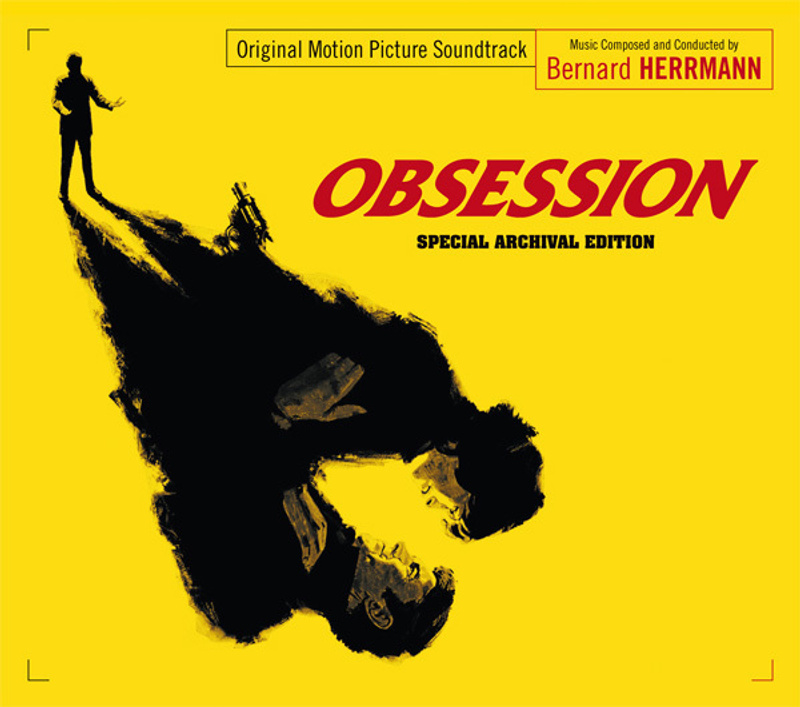
Obsession
Variant: Special Archival Edition
France / 2015-02-16
Music Box Records MBR-060
2xCD (Album)
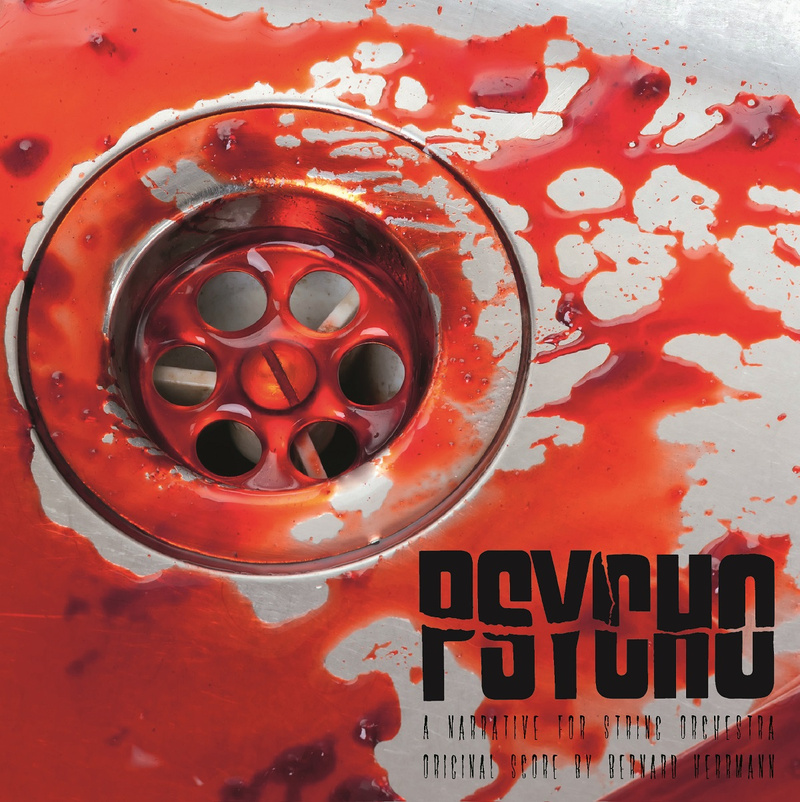
Psycho
Variant: Record Store Day 2015
Netherlands / 2015-04-18
Music On Vinyl MOV7029
1xLP (Album)

Twisted Nerve / The Bride Wore Black
United States / 2008-12-24
Kritzerland
1xCD (Album)
Varèse Sarabande - A 25th Anniversary Celebration
Various Artists
United States / 2003-04-22
Varèse Sarabande 302 066 460 2
4xCD (Album)